Leopard Gecko Care in Nigeria: Habitat Setup, Insects and Daily Routine
Looking for a quiet, smiling, low-maintenance pet? Discover Leopard Gecko terrarium temperatures, live insect feeding, calcium dusting, and reptile care on PetMap.
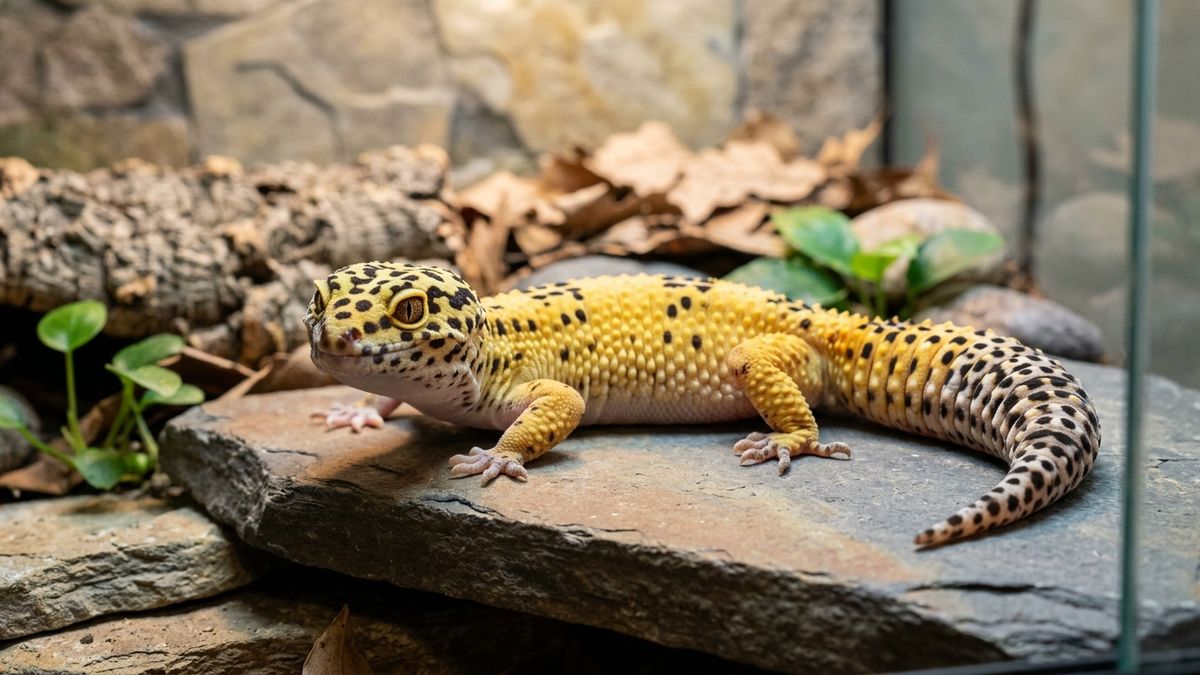
With their permanent friendly "smiles," striking spotted patterns, and calm, handleable demeanor, Leopard Geckos (Eublepharis macularius) are widely regarded as the ultimate beginner reptile. Native to the rocky arid regions of the Middle East and northwestern India, they are hardy, clean, and require neither massive space nor demanding walking routines.
If you are exploring exotic reptiles in Nigeria, the Leopard Gecko is an exceptional choice. Here is your practical roadmap to creating their dream habitat.
Habitat Setup and Substrate Safety
A single adult Leopard Gecko requires a minimum of a 20-gallon (approx. 75-liter) horizontal terrarium:
- **Substrate: Avoid Loose Play Sand**: A common misconception is that geckos belong on loose sand. In captivity, young geckos can ingest sand while hunting insects, causing fatal digestive impaction. Use safe, clean substrates such as slate stone tiles, reptile carpet, or simple unprinted paper towels.
- **The Three Essential Hides**:
- *Warm Hide*: Placed directly over the heat mat (regulated to 31°C–33°C) for digestive thermoregulation.
- *Cool Hide*: Placed at the opposite end of the terrarium (around 24°C–26°C).
- *Moist/Humid Hide*: Lined with damp paper towel or moistened moss, essential for helping your gecko shed its skin cleanly, especially from tiny toes.
Feeding Live Insects: Gut Loading and Calcium Dusting
Leopard Geckos are strict insectivores—they do not eat fruits, vegetables, or pellets:
- **Primary Feeder Insects**: Mealworms, Dubia roaches, and crickets. In Nigeria, feeder insect colonies can be sourced reliably through exotic pet circles.
- **Gut Loading**: Always feed your insects nutritious greens (carrots, sweet potato slices, pumpkin) for 24 hours before offering them to your gecko. What goes into the bug goes into your pet!
- **Calcium with Vitamin D3**: Because Leopard Geckos are crepuscular (active at dawn and dusk) and do not always require intense UVB lighting, dusting feeder insects with high-grade Calcium + Vitamin D3 powder 2 to 3 times weekly is vital to prevent Metabolic Bone Disease (MBD). Keep a tiny bottle cap of pure calcium powder inside the tank at all times.
Handling and Tail Autotomy Safety
Leopard geckos tolerate gentle handling exceptionally well:
- Let the gecko see your hand and scoop them gently from beneath the belly. Never grab them from above like a predator.
- **Never Grab the Tail**: Like many lizards, Leopard Geckos possess the ability to drop their tails (tail autotomy) if grabbed or stressed. While the tail will eventually regenerate, the replacement tail will never look quite the same and the process consumes vital fat reserves stored in their tail.
Reptile Health and Vet Clinics on PetMap
Leopard geckos can comfortably live for 15 to 20 years with proper husbandry. Common signs of poor health include lethargy, sudden weight loss causing a thin "pencil tail," or stuck shed constricting their toes.
If you ever need an exotic specialist to inspect your gecko's health, use PetMap. PetMap is Nigeria's most comprehensive veterinary search directory, helping pet owners identify clinics and exotic doctors in Lagos, Abuja, and other states. Check PetMap.ng to connect with qualified professionals who can assist with reptile wellness.