Macaw Parrots in Nigeria: Blue & Gold, Scarlet, Space Needs, Care and Diet
Owning a giant Macaw in Nigeria is a 50-year commitment. Learn about Blue & Gold vs Scarlet care, aviary cage dimensions, bite force safety, and avian veterinary resources on PetMap.
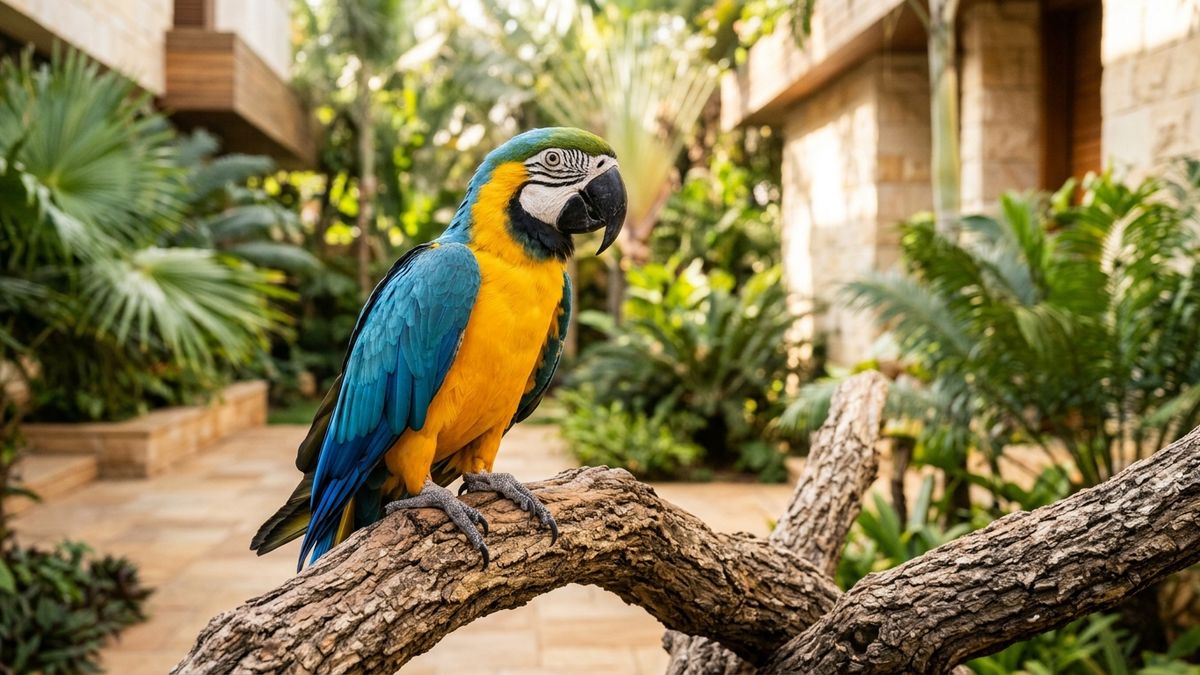
Few companion animals on earth command the sheer visual majesty and theatrical presence of a giant Macaw. Whether it is the dazzling ultramarine and gold plumage of the Blue and Gold Macaw (Ara ararauna) or the fiery crimson splendor of the Scarlet Macaw (Ara macao), these Neotropical giants represent the absolute summit of exotic bird ownership in Nigeria.
However, adopting a macaw is not like keeping a budgie or a cockatiel. It is essentially adopting a companion that will live for 50 to 70 years, possesses the bite strength capable of snapping broomsticks, and can produce vocalizations exceeding 105 decibels.
Space Requirements: Can You Keep a Macaw in an Apartment?
The straightforward answer is: **almost certainly not**, unless you occupy a freestanding penthouse with acoustic soundproofing.
- **The Decibel Factor**: Macaw contact calls at dawn and dusk easily pierce concrete walls. In high-density estates in Ikoyi, Lekki, or Maitama Abuja, neighbors will complain within days. Macaws thrive best in detached duplexes or compounds with dedicated outdoor or enclosed sunroom aviaries.
- **Wingspan & Cage Dimensions**: A mature Blue and Gold has a wingspan approaching one meter (3.5 feet). The minimum acceptable indoor sleeping cage is 3 feet deep by 4 feet wide by 5 feet tall—made exclusively from heavy-gauge powder-coated stainless steel. A macaw's powerful beak can bend standard lightweight zinc bird cages in minutes.
- **Outdoor Flight Enclosures**: Given Nigeria's favorable tropical climate, building a secure outdoor mesh aviary with shade, double-entry safety doors, and rain protection allows your macaw to enjoy natural sunlight, climb branches, and stretch its wings freely.
Bite Force Safety and Enrichment
A full-grown macaw's beak can exert pressure exceeding 500 to 700 pounds per square inch (PSI). While hand-raised macaws are affectionate, clownish companions that enjoy head scratches, safety rules must be observed:
- **Destructive Chewing is Healthy Nature**: Macaws do not chew wood out of spite; their beaks grow continuously throughout their lives. Provide untreated coffee wood perches, thick palm frond stems, fresh guava branches, and sturdy untreated pine toy blocks weekly.
- **Handling Protocol**: Never allow small children to handle a macaw unsupervised. Train your bird on a firm, gentle "Step up" command onto a handheld wooden t-stand before transitioning to forearm handling.
Feeding Your Macaw in Nigeria: Beyond Seeds
Sunflower-seed-only diets are an early death sentence for macaws, leading to fatty liver disease (hepatic lipidosis) and premature death:
- **Nutritional Foundation (60%)**: Premium extruded avian pellets formulated for large hookbills.
- **Fresh Fruits and Vegetables (25%)**: Sliced pawpaw, carrots, steamed sweet potato chunks, green peas, ugwu (fluted pumpkin) leaves, and red bell peppers.
- **Healthy Fats and Nuts (15%)**: Large macaws require higher dietary fat than African Greys. Offer raw Brazil nuts, walnuts, macadamia nuts in shell (which they crack effortlessly), and fresh red palm fruit.
Managing the Harmattan Season
While macaws are tropical birds from South America accustomed to warm temperatures, Nigeria's harmattan season poses two distinct hazards:
- **Dust and Air Sac Irritation**: Fine Sahelian dust dries out the mucous membranes of avian lungs. Mist your macaw daily with lukewarm, clean water or install a cool-mist ultrasonic humidifier near their perches.
- **Chilly Nighttime Drafts**: Although Lagos stays warm, northern cities like Jos, Kano, and Abuja experience brisk evening drops during December and January. Shield outdoor aviaries with canvas roll-down windbreaks to prevent respiratory chills.
Specialized Avian Care via PetMap
Due to their longevity and size, having an established relationship with an avian-qualified veterinary surgeon is mandatory.
Visit PetMap to find veterinary hospitals across Nigeria equipped for large avian patients. Through PetMap.ng, you can book routine beak trimming, annual blood panels, crop swab diagnostics, and microchip identification to protect your investment and safeguard your macaw's life for decades to come.